
Master the Fundamentals of Meal Preparation
Transform your relationship with food through intelligent meal prep. Learn evidence-based strategies to build sustainable healthy eating habits that fit your lifestyle.
The information on this site is for educational purposes only and does not constitute medical advice. Always consult a qualified healthcare professional before making health decisions.
Why Meal Preparation Matters
Nutrition Control
Pre-planning meals enables precise nutrient tracking and ensures every bite aligns with your health goals without guesswork.
Time Efficiency
Dedicated prep sessions reduce daily cooking time by up to 80%, freeing your schedule for activities that matter most.
Budget Optimization
Strategic planning reduces food waste and impulse purchases, stretching your grocery budget while improving meal quality.
Sustainable Habits
Consistent meal prep builds lasting eating patterns that naturally support long-term wellness without restrictive dieting.
The Science Behind Structured Meal Preparation
Meal preparation is rooted in behavioral psychology and nutritional science. When you pre-plan your meals, you eliminate decision fatigue—a proven barrier to consistent healthy eating. Research shows that individuals who dedicate time to meal prep maintain more stable blood sugar levels, experience fewer energy crashes, and report higher satisfaction with their food choices.
Beyond physiology, the act of intentional food preparation creates psychological ownership over your nutrition. You develop awareness of ingredient quality, portion sizes, and flavor preferences. This knowledge becomes the foundation for sustainable lifestyle changes that don't rely on willpower alone.
At Purenutritionpath, we guide you through evidence-based meal prep principles that honor your individual circumstances—whether you're managing a busy schedule, exploring new cuisines, or building fundamentals from scratch.
Read Our Methodology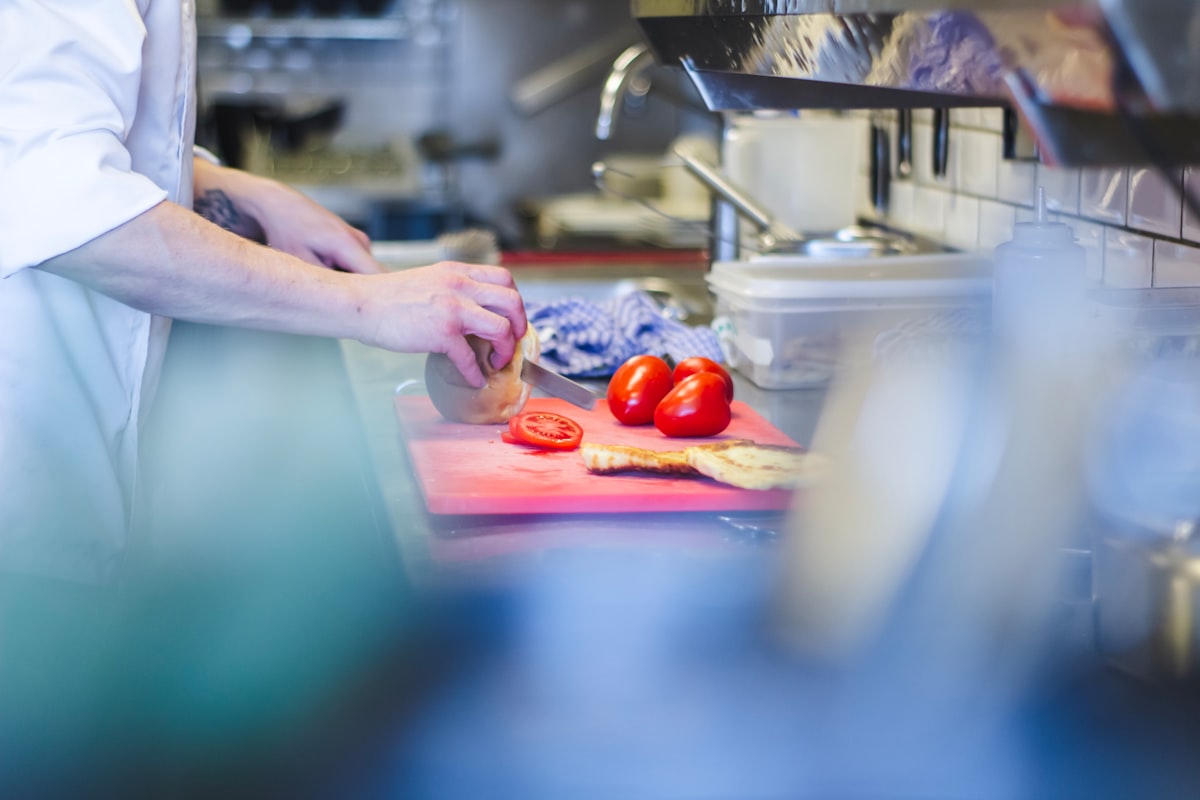
Your Five-Step Meal Prep Framework
Assess & Plan
Evaluate your schedule, food preferences, dietary goals, and kitchen capacity. Create a realistic meal plan for the coming week that aligns with what you'll actually enjoy eating.
Strategic Shopping
Build a detailed grocery list organized by store sections. Shop with intention to minimize impulse buys, reduce waste, and ensure you have precisely what you need.
Prep & Batch
Dedicate 2-3 hours to washing, chopping, cooking, and portioning. Focus on batch-cooking base ingredients (proteins, grains, vegetables) that mix across multiple meals.
Store & Label
Use glass containers, label everything with dates and contents. Proper storage extends freshness and makes grabbing meals throughout the week effortless and safe.
Execute & Adjust
Follow your plan for the week, noting what worked well and what didn't. Use observations to refine next week's strategy, gradually optimizing for your preferences and lifestyle.
Reflect & Evolve
Weekly reflection transforms meal prep from a chore into a continuous improvement system. Track energy levels, satisfaction, and ease to evolve your approach.
Inspiring Meal Prep Ideas
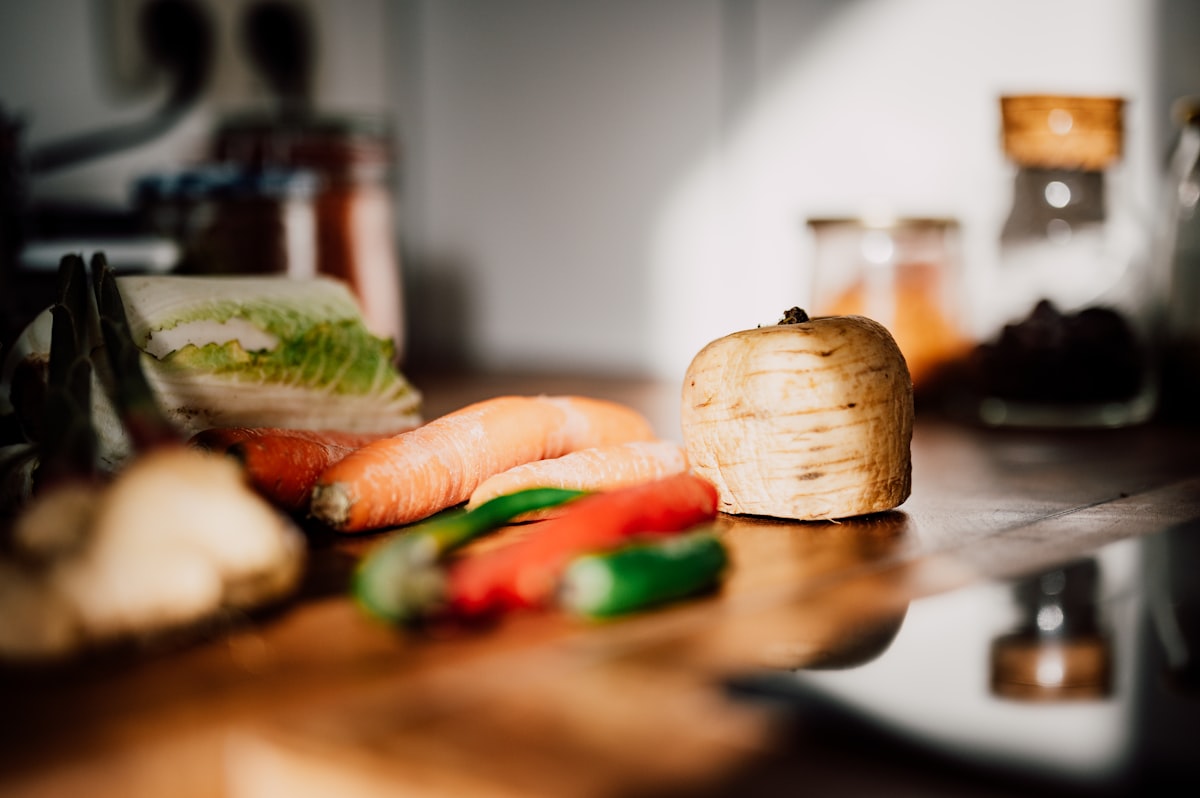
Buddha Bowls
Balanced grain, protein, and vegetable combinations that stay fresh for five days and offer endless flavor variation through different dressings.
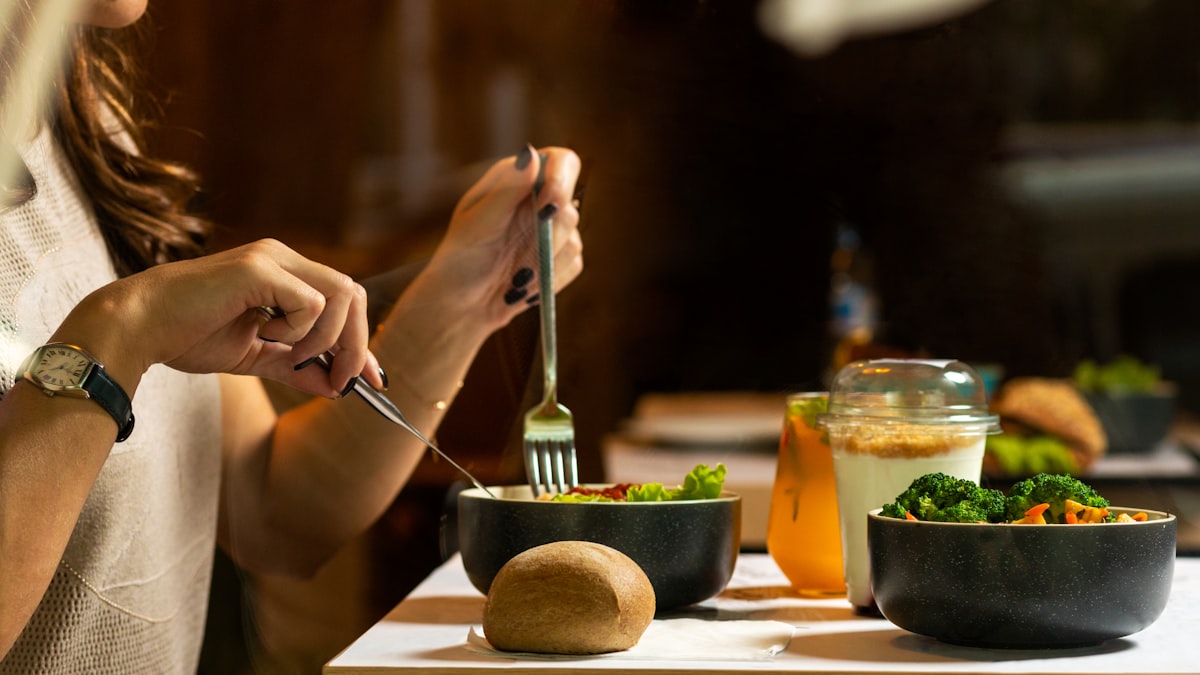
Protein & Veggie Trays
Simple foundations of grilled proteins and roasted vegetables that pair with different starches and sauces throughout the week for meal variety.
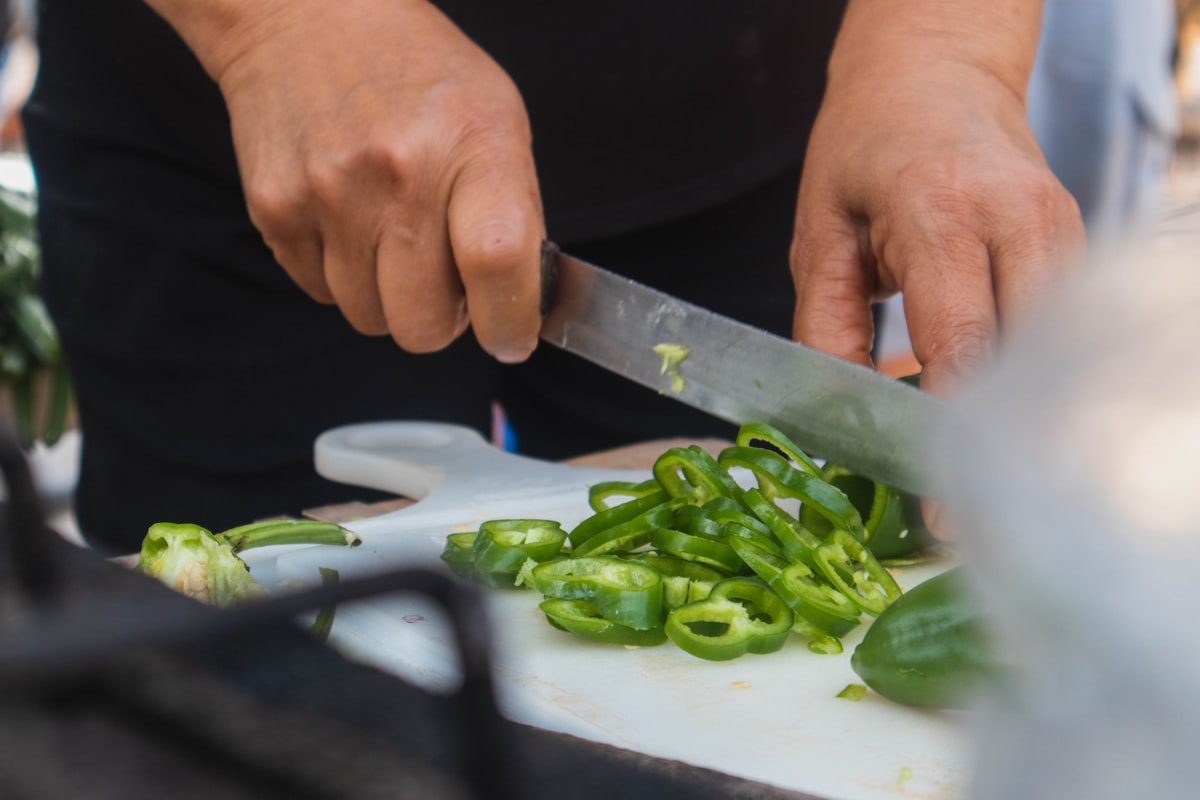
Stir-Fry Bases
Pre-cooked vegetable and protein combinations that transform into different cuisines with varied sauces, keeping meals exciting throughout your prep week.
Overnight Oats
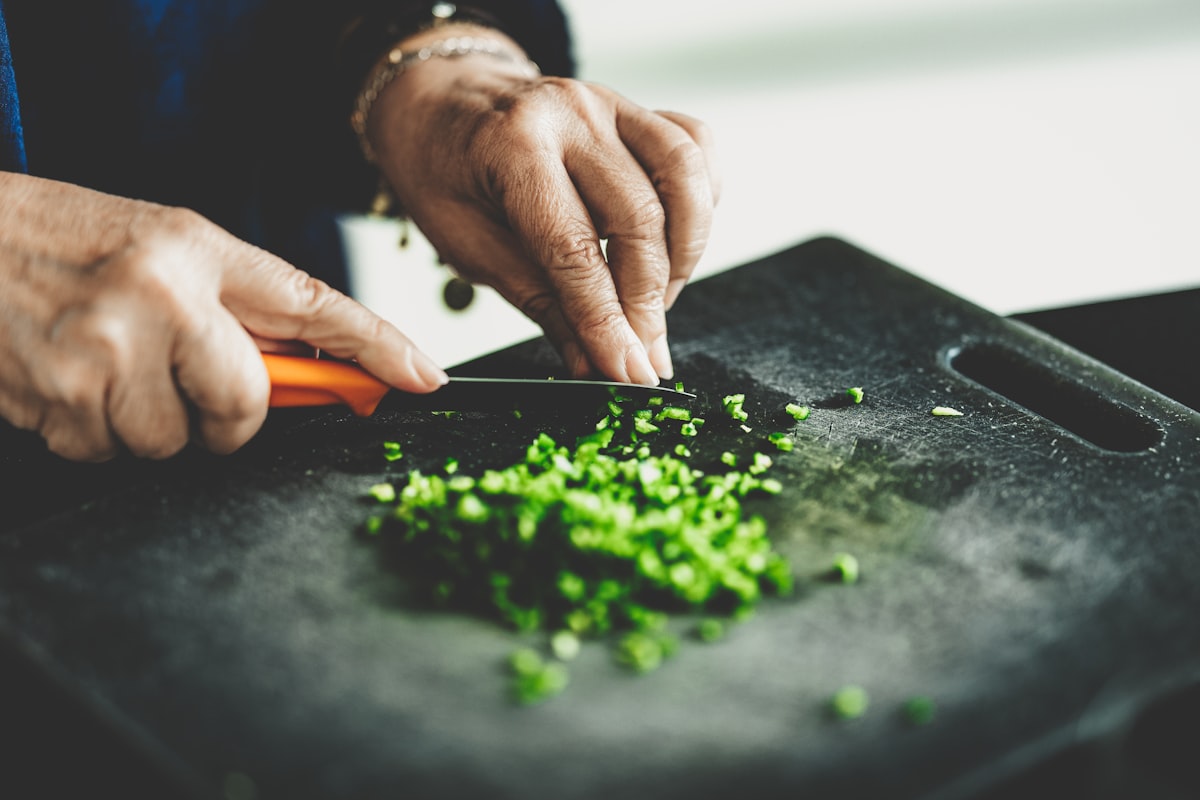
No-cook breakfast bases prepared in minutes that provide grab-and-go nutrition, staying fresh for up to four days with proper refrigeration.
Stuffed Vegetables
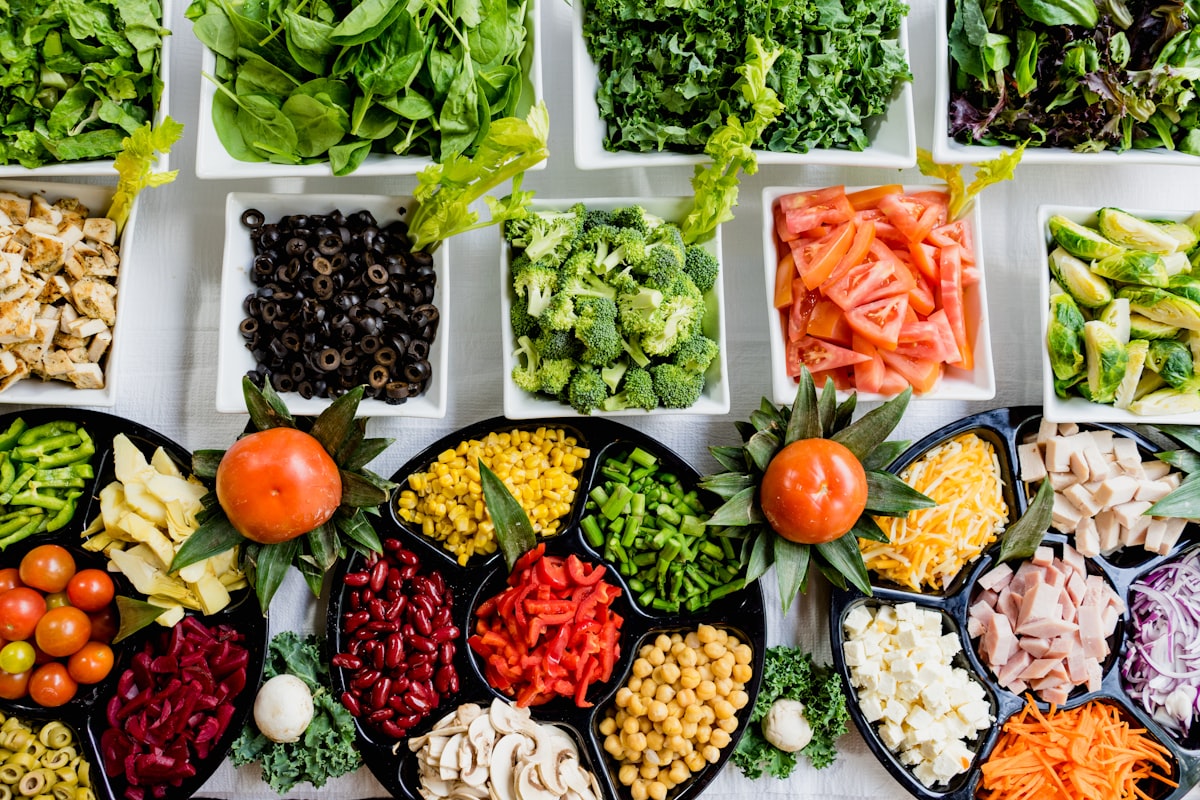
Nutrient-dense meal foundations using roasted vegetables as containers, filled with proteins and grains for satisfying, naturally portion-controlled meals.
Prepared Soups
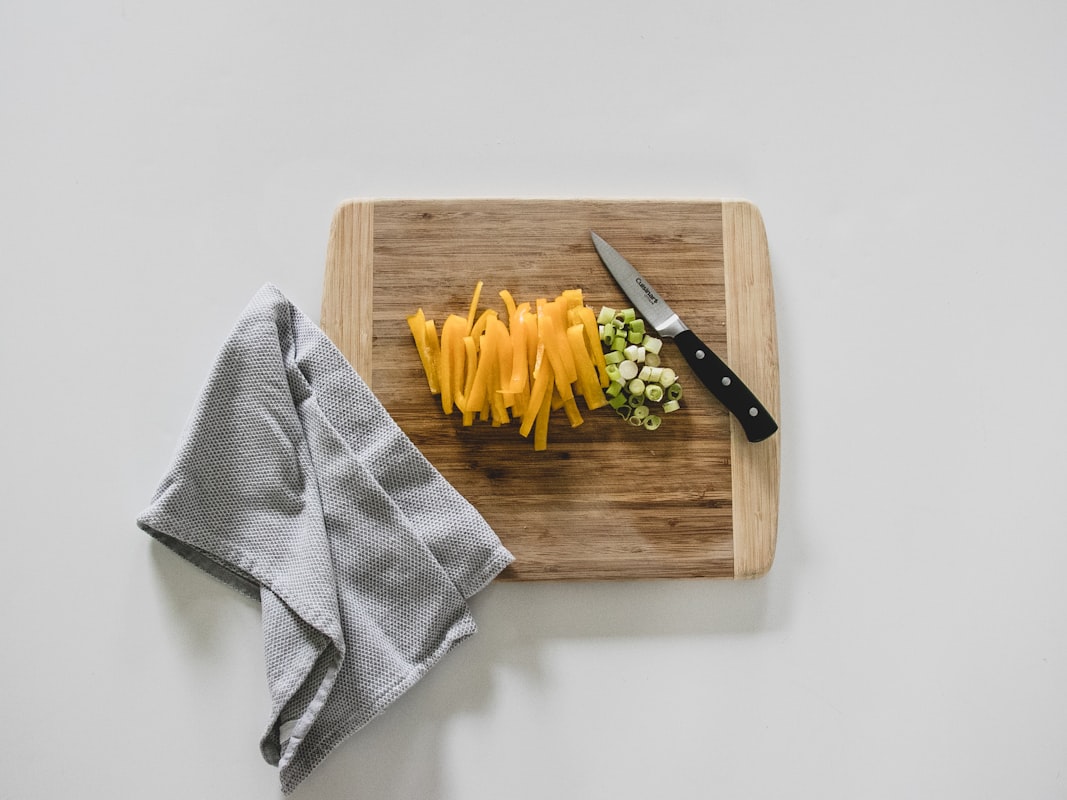
Nutrient-dense broths and soups that freeze beautifully, providing nourishing options that require only reheating and optional fresh toppings.
Stories from Our Community
I struggled with consistency for years until I discovered structured meal prep. The framework provided by Purenutritionpath finally made healthy eating feel manageable rather than overwhelming. What surprised me most was how much money I save and how much energy I have throughout the day. This approach is genuinely transformative.
Maria Kowalski
Warsaw, Poland
As someone with a demanding job, I assumed meal prep would add more stress. Instead, it became my anchor—the one thing I could control each week. The guidelines are practical and flexible, never rigid. I've learned more about nutrition and food quality in three months than in the previous five years.
Piotr Lewandowski
Krakow, Poland
The education component is what sets this apart. It's not just recipes—it's understanding why meal prep works, how to adapt it to your life, and how to troubleshoot when things don't go perfectly. I feel empowered rather than dependent on a program.
Agnieszka Nowak
Gdansk, Poland
I was skeptical that meal prep could work for our family of four. But the strategies adapt perfectly. Now my kids see healthy eating as normal, not as a restriction. The whole family benefits, and cooking has become quality time rather than a chore.
Tomasz Zieliński
Wrocław, Poland
Frequently Asked Questions
Most people find that 2-3 hours on a designated prep day is sufficient for an entire week of meals. This typically breaks down into 30 minutes for planning and shopping list creation, 1-2 hours for shopping, and 2-3 hours for preparation, cooking, and storage. As you develop efficiency and familiarity with recipes, this often reduces to 1.5-2 hours total. The key is choosing a consistent time that fits your schedule naturally, whether that's Sunday morning, Friday evening, or another day that works for you.
Begin Your Meal Prep Journey
Transform your relationship with food through practical, evidence-based meal preparation strategies. Explore our comprehensive guides, recipes, and planning resources to build sustainable healthy eating habits.