
Master the Art of Meal Preparation
Discover how structured meal prep transforms your relationship with food. Learn practical strategies, time-saving techniques, and proven methods used by thousands of people building healthier eating habits.
The information on this site is for educational purposes only and does not constitute medical advice. Always consult a qualified healthcare professional before making health decisions.
Why Meal Prep Matters
Save Hours Every Week
By preparing meals in advance, you eliminate daily cooking decisions and stress. Dedicate just 2–3 hours on a weekend to batch-prepare ingredients, then enjoy hassle-free meals throughout the week. No more wondering what to eat or rushing through dinner prep after work.
Reduce Food Waste & Costs
Strategic meal planning prevents impulse purchases and spoilage. Buy only what you need in proper quantities, use every ingredient wisely, and watch your grocery budget shrink. Many people report 20–30% savings within the first month of consistent meal prep.
Build Consistent Eating Habits
When nutritious meals are ready, you're more likely to eat them instead of resorting to convenience foods. Meal prep removes barriers to healthy eating, making it easier to maintain balance and variety in your diet naturally over time.
Master Portion Control
Prepping portions in advance helps you understand serving sizes and avoid overeating. You gain clarity on how much food you actually need, which builds awareness and confidence in your choices without relying on willpower alone.
Track Your Intake Easily
When meals are prepared with known ingredients, tracking what you eat becomes simple and accurate. You know exactly what's in each container, making it easier to monitor variety, nutrients, and overall patterns without guesswork.
Support Long-Term Wellness
Consistent meal prep becomes a foundation for sustainable eating practices. By removing daily friction and building reliable routines, you create conditions for lasting health improvements that compound over weeks and months, not just quick results.
The 5-Step Meal Prep Framework
Plan Your Week
Choose 2–3 proteins, 2–3 vegetables, and 1–2 grains or starches. Write them down. This simple framework prevents decision fatigue and ensures variety without complexity.
Shop Strategically
Buy exactly what you planned, in bulk where it makes sense. Stick to your list, check prices, and choose whole ingredients over processed options to maximize nutrition and budget.
Batch Cook
Prepare proteins and vegetables using simple methods—roasting, boiling, grilling. Focus on speed and simplicity. You're not cooking fancy restaurant meals; you're creating nourishing fuel.
Portion & Store
Divide cooked food into glass containers in consistent portions. Label with date and contents. Store in the fridge or freezer depending on when you'll eat each meal.
Eat, Reflect & Improve
Throughout the week, notice what worked and what didn't. Did you enjoy the flavors? Did portions feel right? Did you actually eat everything? Use these observations to refine next week's plan. Meal prep is a skill that improves with practice.
Essential Tools & Containers
You don't need fancy equipment to start meal prepping. These simple, reliable tools make the process faster and your food safer to store.
Glass Storage Containers
Invest in a set of glass containers with tight lids. They're durable, microwave-safe, freezer-safe, and don't absorb odors or stains. Uniform sizes stack efficiently and make meal portions clear at a glance.
Tip: Choose containers sized for single meals (600–800ml) and medium containers for bulk storage.
Large Mixing Bowls
Multiple large bowls let you prep different ingredients simultaneously without constant washing. Stainless steel bowls are durable and reliable for tossing, marinating, and mixing.
Tip: Have at least 3–4 bowls so you can work on proteins, vegetables, and grains at the same time.
Quality Cutting Boards & Knives
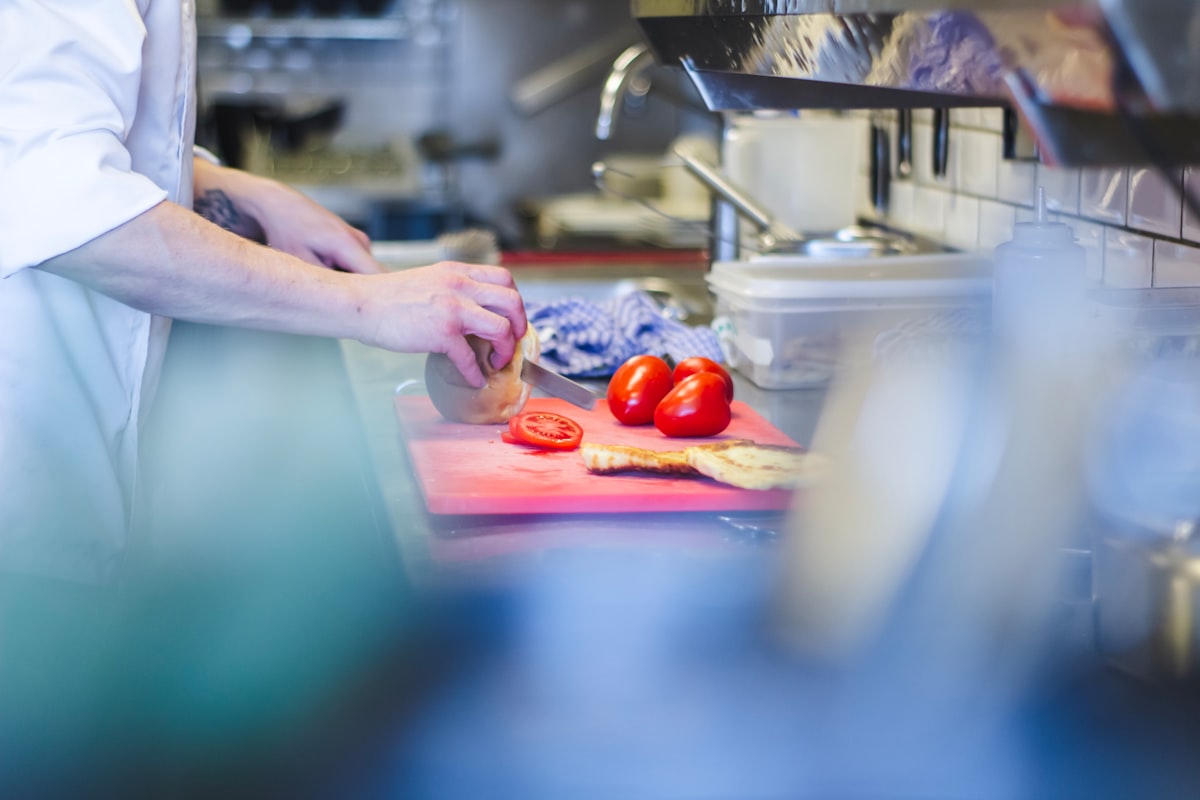
One large plastic cutting board for produce and one wooden or plastic for proteins prevents cross-contamination. A sharp chef's knife and paring knife speed up chopping dramatically.
Tip: Sharp knives are safer and faster. Dull blades require more pressure and lead to accidents.
Sheet Pans & Baking Trays
Metal sheet pans are ideal for roasting vegetables and cooking proteins in the oven simultaneously. Line them with parchment paper for easy cleanup and consistent cooking.
Tip: Buy heavy-duty pans that won't warp and give even heat distribution.
Food Scale (Optional but Helpful)
A digital kitchen scale removes guesswork from portions and recipes. It's invaluable if you want to track intake precisely or compare portion sizes across different meals.
Tip: Start without one if you prefer simplicity; add it later as you refine your approach.
Labels & Markers
Waterproof labels and permanent markers let you date each container. This simple habit prevents food waste and helps you track freshness at a glance.
Tip: Write both the date prepared and the date to consume for clarity.
Meal Prep-Friendly Ingredients
Best Proteins
- • Chicken breast: Lean, affordable, versatile. Batch-cook and store for 4–5 days.
- • Ground turkey or beef: Quick to cook, freeze well, good for different flavor profiles.
- • Eggs: Boil a dozen on Sunday. Protein-packed snacks that last a week.
- • Fish (salmon, cod): Omega-3 rich. Cook fresh, eat within 2–3 days for best quality.
- • Legumes (beans, lentils): Budget-friendly, shelf-stable, high in fiber and plant protein.
- • Greek yogurt: Breakfast or snack base that lasts 7–10 days unopened.
Best Vegetables
- • Broccoli & cauliflower: Roast whole, store 5–6 days. Reheats well.
- • Bell peppers: Raw or roasted. Colorful, crunchy, last 7–10 days fresh.
- • Green beans: Tender texture, cook quickly, store well for 5 days.
- • Spinach & leafy greens: Bulk cook into wilted portions or eat raw in separate containers.
- • Zucchini & asparagus: Roast with olive oil, season simply. Reheat easily.
- • Carrots: Raw or cooked. Very forgiving, store 7+ days.
Grains & Starches
- • Brown rice: Cook large batches Sunday. Lasts 5–6 days. Neutral base for any protein.
- • Quinoa: Complete protein, fluffy texture. Prepare same as rice.
- • Sweet potatoes: Roast whole, cube after cooling. Naturally sweet, filling.
- • Oats: Overnight oats in jars last 4–5 days. Breakfast solution.
- • Pasta (whole wheat): Cook, store plain. Add sauce fresh for variety.
- • Potatoes: Boil or roast. Reliable, cheap, freeze-friendly.
Common Meal Prep Mistakes to Avoid
Prepping Too Much at Once
Cooking for two full weeks invites food spoilage. Instead, prep for 4–5 days maximum. This keeps food fresher, tastes better, and lets you adjust your plan midway through the week if your appetite or preferences change.
Ignoring Storage & Safety
Cool cooked food before storing, use airtight containers, and label dates. Improper storage leads to spoilage, wasted food, and potential foodborne illness. Invest in quality containers and respect shelf-life guidelines.
Making All Meals Identical
Eating the exact same meal five days straight leads to boredom and abandoned meal prep. Rotate proteins, use different cooking methods, and vary seasonings. Even small changes (different spices, sauce, or vegetable) keep meals interesting.
Overcomplicating Recipes
Meal prep thrives on simplicity. Stick to basic cooking methods: roasting, boiling, grilling. Complex recipes with many ingredients slow you down and create more dishes to wash. Save elaborate cooking for when you have time to enjoy it.