
Our Methodology
At Purenutritionpath, we believe transparency in how we create content is essential. This page outlines our rigorous process for researching, writing, and reviewing every article and guide to ensure accuracy, relevance, and practical value for our readers.
From initial research through final editorial review, each piece of content goes through multiple quality checkpoints to meet our editorial standards and serve your journey toward better nutrition practices.
Read Our FAQs
The information on this site is for educational purposes only and does not constitute medical advice. Always consult a qualified healthcare professional before making health decisions.
Six-Step Content Creation Process
Every article follows a structured workflow to ensure consistency, accuracy, and relevance to our audience's real-world needs.
Topic Selection & Planning
We identify topics based on reader demand, current nutrition trends, and gaps in existing guidance. Our editorial team reviews search patterns, community discussions, and emerging research to prioritize content that addresses real questions and challenges our audience faces daily.
Comprehensive Research
Our writers and researchers gather information from peer-reviewed studies, government nutrition resources, published nutrition guides, and expert interviews. We prioritize recent evidence while acknowledging foundational research. Each claim is traced back to its source for accountability.
Expert Review & Fact-Checking
Before publication, content is reviewed by nutrition experts and subject-matter specialists. They verify accuracy, flag outdated information, ensure balanced perspectives, and assess practical applicability. This step catches inconsistencies and ensures we represent current best practices.
Writing & Editing
Our writers craft clear, accessible prose that avoids jargon while maintaining accuracy. Copy editors then refine for clarity, tone, consistency, and flow. We ensure practical advice is actionable and examples are relatable to everyday meal planning scenarios.
Editorial Board Sign-Off
Our editorial board performs a final review focusing on editorial consistency, alignment with brand values, and readiness for publication. This team checks that all sources are documented, disclaimers are clear, and the piece meets our quality bar for accuracy and usefulness.

Publication & Ongoing Updates
Once published, articles are monitored for accuracy. When new research emerges or practices shift, we update content and add revision dates. This ensures our library remains current and readers always access the most relevant guidance available.
Quality Assurance Checklist
Every article must pass these criteria before publication. This ensures consistency and reliability across our content library.
Accuracy & Evidence
- • All claims backed by credible sources or expert consensus
- • No unsupported or overstated assertions
- • Peer-reviewed research cited with publication dates
- • Conflicting viewpoints presented fairly when relevant
Clarity & Accessibility
- • Language suitable for general audience, minimal jargon
- • Concepts explained step-by-step with practical examples
- • Logical flow from introduction to conclusion
- • Headings and formatting aid scanning and comprehension
Relevance & Practicality
- • Content addresses real reader questions and concerns
- • Actionable advice readers can apply immediately
- • Reflects current best practices and recent developments
- • Balanced perspective without overpromising outcomes
Compliance & Transparency
- • Appropriate disclaimers included where necessary
- • No misleading claims or health guarantees
- • Sources and author credentials documented
- • Last updated date included for accountability
Our Primary Information Sources
We prioritize evidence-based, authoritative sources to inform our editorial content. Here are the types of references our writers and reviewers consult:
Peer-Reviewed Research
We consult published studies from nutrition, food science, and public health journals. Articles are evaluated for methodology quality, sample size, and relevance to practical meal planning. We prefer recent research while acknowledging foundational studies that shaped current understanding.
Examples: European Journal of Nutrition, Nutrients, Journal of the Academy of Nutrition and Dietetics
Government & Public Health Agencies
Official dietary guidelines, nutrition recommendations, and food safety information from trusted governmental bodies provide evidence-based frameworks for our content. These sources reflect consensus among nutrition experts and are regularly updated.
Examples: WHO nutrition guidelines, national dietary recommendations, food safety authorities
Expert Interviews & Consultation
Our writers and reviewers include nutrition professionals, registered dietitian nutritionists, and food science experts. Their practical experience, current knowledge, and ability to contextualize research inform our guidance and ensure real-world applicability.
We prioritize practitioners with formal credentials and active involvement in their field.
Educational & Professional Bodies
Organizations dedicated to nutrition science and food education publish position papers, practice guidelines, and evidence summaries that synthesize current knowledge. These resources help us provide balanced, consensus-based guidance.
Examples: Professional nutrition associations, food science societies, educational institutions
Sample: The Methodology in Action
Here's how our six-step process worked on one of our most popular articles about meal prep containers.
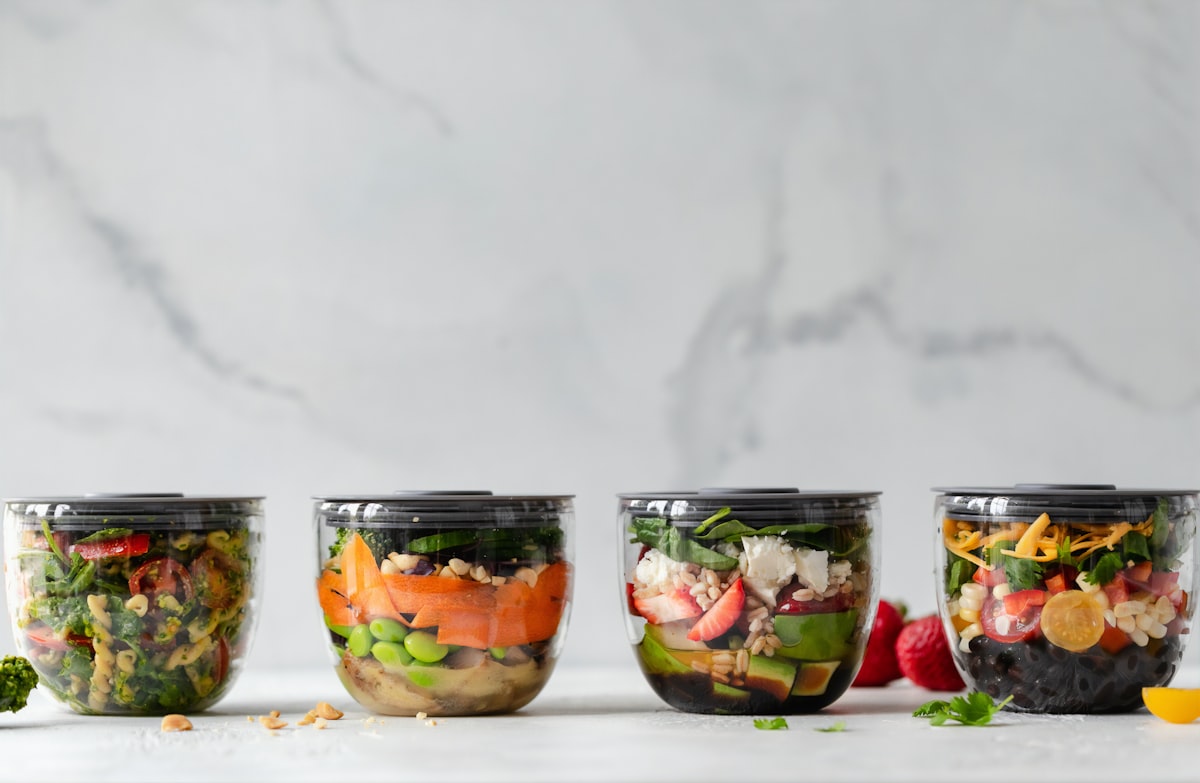
Article: "Best Containers for Meal Prepping"
Phase 1: Selection
We noticed recurring reader questions about which containers preserve food freshness and prevent leaks. This topic appeared frequently in community discussions and search queries.
Phase 2: Research
We reviewed material science studies on plastic polymers, consulted food safety regulations, interviewed kitchen professionals, and tested container options firsthand to understand durability, safety, and usability.
Phase 3: Expert Review
Our food science consultant verified all claims about food preservation and plastic safety. She flagged several product marketing claims as unsubstantiated and suggested more balanced language.
Phase 4: Writing & Editing
We drafted practical recommendations with real-world scenarios (meal prep for 3 people, storage for a week). Copy editors ensured readers understood material differences without needing chemistry background.
Phase 5: Board Sign-Off
Editorial team checked that we didn't overstate durability claims and that disclaimers about food safety appeared prominently. We added a note on responsible disposal.
Phase 6: Publication & Updates
Article published with revision date. One year later, new food safety guidance emerged; we updated the article and refreshed the publication date to reflect current standards.
Result: Readers found the article trustworthy because it acknowledged trade-offs between cost and durability, didn't push brands, and was backed by science. Community feedback confirmed the advice worked in real meal-prep scenarios.
Our Editorial Standards & Principles
The foundation of trust in everything we publish
Science-Based
Every nutrition claim is backed by peer-reviewed research. We cite primary sources and acknowledge the current state of scientific consensus, including areas where evidence is still emerging.
Unbiased & Transparent
We disclose conflicts of interest, funding sources, and affiliate relationships. Our recommendations are based on evidence, not sponsorships or brand partnerships.
Practical & Actionable
Nutrition advice means nothing if people can't implement it. We test recommendations in real-world contexts and focus on sustainable, achievable changes.
Health & Safety First
We prioritize user safety in every article. Medical claims are properly qualified, and we always recommend consulting healthcare providers for personalized advice.
Clear & Accessible
Complex nutrition science should be understandable to everyone. We explain jargon, break down studies, and avoid gatekeeping knowledge behind unnecessary complexity.
Always Evolving
Nutrition science advances constantly. We regularly update our content, correct errors promptly, and adapt our guidance as new evidence emerges.
What Our Community Says
Real feedback from readers who've transformed their nutrition journey
"I've read countless nutrition blogs, but Pure Nutrition Path actually helped me understand WHY certain foods work for my body. No hype, just science and real advice."
Sarah R.
Nutrition Enthusiast
"As someone with dietary restrictions, I appreciate how thorough and inclusive the articles are. They don't assume everyone eats the same way."
Marcus K.
Fitness Coach
"The transparency about sources and limitations is refreshing. I can actually trust the recommendations because they're not trying to sell me something."
Jennifer L.
Health Advocate